Our Farms
Careful growing, responsible handling and smarter technology — from the greenhouse to the produce aisle.
About Our Farms
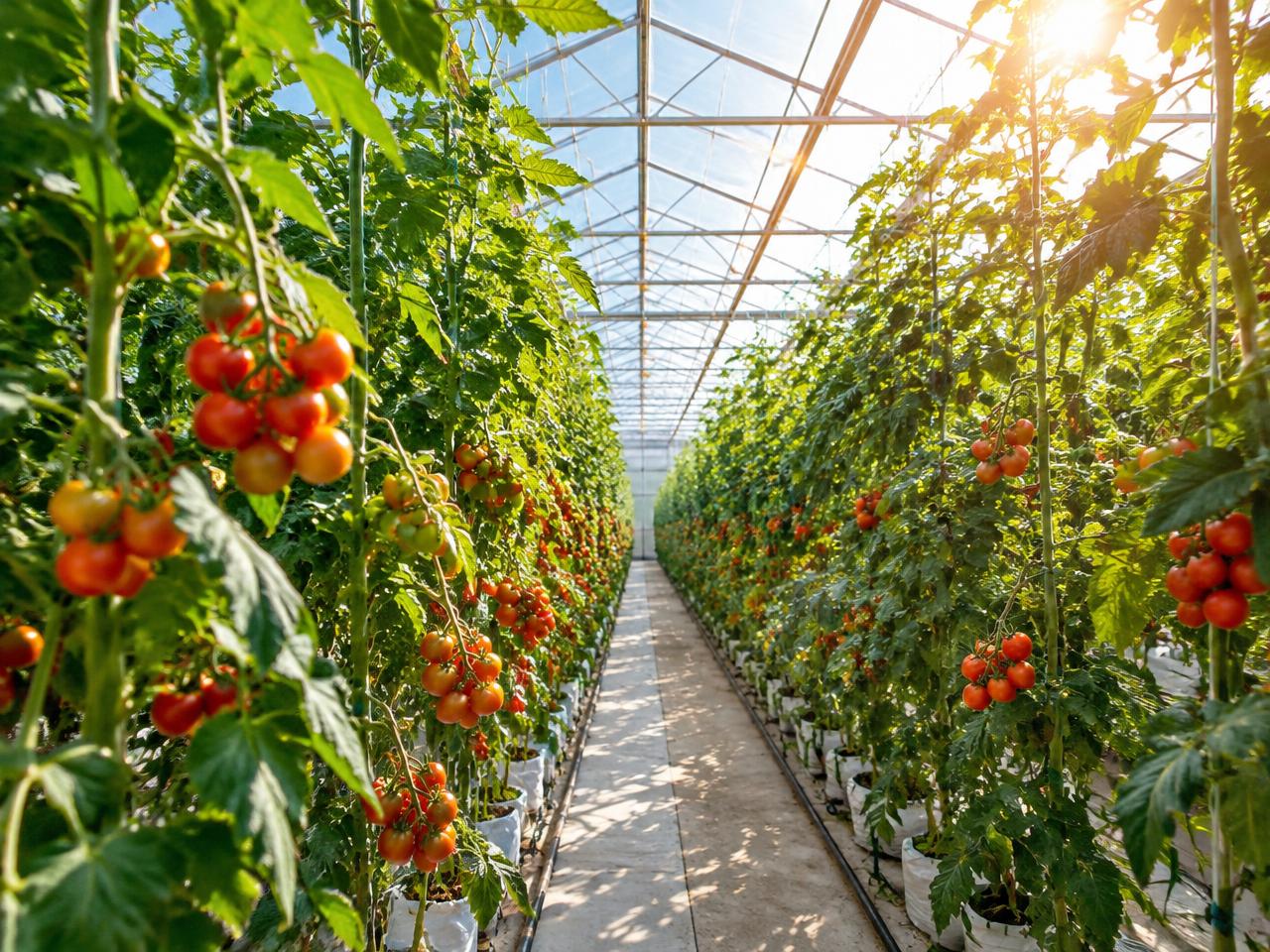
How We Grow
At Sunlite Greenhouses, growing starts with giving plants the conditions they need to thrive. Greenhouses protect crops from harsh weather while allowing careful management of temperature, light, water and nutrients. With fewer environmental stresses, plants can put more energy into producing fresh, flavourful fruits and vegetables.
Supplemental LED and high-pressure sodium lighting can extend the available light during darker winter months. Computer-controlled irrigation and temperature systems help maintain a consistent growing environment, while bees support pollination and beneficial insects, including ladybugs, help control pests through integrated pest management.
Greenhouse growing makes efficient use of land and water. Treating and recirculating irrigation runoff reduces waste and allows water to be used again. Together, careful crop management and modern growing methods support productive harvests and a dependable supply of fresh produce throughout the year.
Food Safety
Our Responsibility
Food safety belongs at every step of the journey, from growing and harvesting to packing and distribution. Sunlite Greenhouses puts the safe handling of fresh produce at the centre of its approach, with an emphasis on clean working environments and consistent procedures throughout the supply chain.
Good agricultural practices (GAP) and good manufacturing practices (GMP) provide a framework for responsible production. Traceability and recall procedures help identify where produce has travelled, so concerns can be investigated and addressed promptly.
Key areas of a comprehensive food safety program include:
- Hygiene and sanitation
- Environmental monitoring
- Agricultural water testing
- ATP testing to assess cleaning effectiveness
- Employee training in safe handling and food safety procedures
Trained people, clear records and regular checks all play a part in protecting produce quality and maintaining consumer confidence.
Innovation & Automation
Smarter technology helps connect growing, packing and delivery. Sunlite Greenhouses' approach to innovation focuses on practical ways to improve efficiency, protect produce quality and bring fresh food to customers with less waste.
Automation and robotics can support tasks throughout the operation, from greenhouse equipment to sorting, packing, labelling and palletizing. Consistent handling helps protect delicate produce, reduces unnecessary movement and supports a longer shelf life.
Improvements in packaging and logistics also help produce reach retail shelves efficiently. Shipment tracking gives partners better visibility along the journey, while coordinated transport can reduce avoidable travel. The goal is always the same: fresh, high-quality produce and a reliable experience for the people who buy it.
Legal Resources & Onboarding
Strong supplier relationships begin with clear expectations. Sunlite Greenhouses values open communication, responsible business practices and partnerships that can grow over time.
Our Approach to Supplier Partnerships
Quality and food safety, traceability, resource efficiency and new ideas are important considerations when building a supply chain. An inclusive approach welcomes businesses with different backgrounds and experience. Open conversations and collaborative reviews help partners identify improvements and understand applicable regulatory and customer requirements.
Clear Contracting
Agreements should reflect the work being done and the practical needs of both parties. Clear responsibilities, fair allocation of risk and sensible remedies help keep a partnership focused on reliable delivery.
- Define the products or services, pricing and purchasing commitments.
- Agree on duration, renewal, payment and termination arrangements.
- Specify shipping responsibilities, destinations and delivery expectations.
- Set out remedies for non-conforming goods or services, including repairs, returns and refunds.
- Address safety, confidentiality, intellectual property, indemnification and liability.
Policies & Agreement Resources
Supplier onboarding can involve a code of conduct and agreements suited to the relationship. The resource categories include:
- Supplier Code of Conduct
- Expectations for ethical conduct, responsible sourcing and supplier behaviour.
- Sales Brokerage Agreement
- Responsibilities for a broker connecting a produce supplier with retail buyers.
- Exclusive Grower Agreement
- Terms for purchasing produce from a third-party grower.
- Seed Trial Agreement
- Arrangements for evaluating seeds in a greenhouse growing environment.
- Marketing Services Agreement
- Scope and responsibilities for marketing and promotional services.
- Master Materials Agreement
- Terms for supplying reusable goods, such as uniforms and other materials.
- Non-Disclosure Agreement
- Protection for sensitive information exchanged while exploring a partnership.
- Overriding Addendum
- Agreed changes or additional terms when working with a supplier's contract.
- Professional Services Agreement
- Terms for consulting and specialist services.
- Purchase Order
- A record of the goods, services or equipment being ordered.
- Software as a Service Agreement
- Terms for hosted software subscriptions and related services.
- Direct Hire Agreement
- Arrangements for recruitment and talent placement services.
Sunlite Greenhouses' approved policy documents, agreement templates and contract request details are not yet available here. This overview does not set binding contract terms.
Modern Slavery Report
Responsible sourcing includes attention to the people working throughout a supply chain. Modern slavery reporting describes how a business identifies and addresses risks of forced labour and child labour in its operations and supplier relationships.
Canada's Fighting Against Forced Labour and Child Labour in Supply Chains Act establishes reporting obligations for entities within its scope. A company report needs to reflect its own operations, reporting period and approved actions.
A Sunlite Greenhouses-approved report is not yet available on this page. Another company's report cannot serve as Sunlite Greenhouses' legal filing.
Sustainability
Responsible greenhouse growing brings together thoughtful packaging, efficient water use and careful crop protection. These approaches can reduce waste while supporting healthy plants and fresh produce.
Paper Top Seal Packaging
Replacing a plastic sealing film with a paper top seal can reduce the amount of plastic used in produce packaging. Designing trays and lids with recycling in mind is another way to improve packaging choices; recycling options depend on the materials and local collection facilities.
Water Recycling
Collecting and treating irrigation runoff helps conserve fresh water and manage nutrients responsibly. A closed-loop treatment process can prepare this water for reuse in four stages:
- Collect plant runoff and direct it into holding tanks.
- Pass the water through sand filtration to remove organic material.
- Use ultraviolet germicidal irradiation to disinfect the water.
- Store the treated water in a clean tank, ready for reuse.
Integrated Pest Management
Integrated pest management combines observation, prevention and targeted control. Beneficial insects, such as ladybugs, can help manage unwanted pests and reduce reliance on pesticides. Identifying problems early, monitoring pest populations and evaluating treatments are essential parts of the process.
Why Greenhouse Grown?
Greenhouse Growing Advantages
A protected growing environment allows closer control of temperature, humidity, light and nutrients. Sheltering plants from difficult weather helps create consistent conditions for crop development and careful produce handling.
An Extended Growing Season
Supplemental LED and high-pressure sodium lighting can provide additional light when daylight is limited. Combined with suitable growing conditions, this can extend production beyond the traditional outdoor season for selected crops.
Care for Plants and People
Beneficial insects support pest management, while raised benches and troughs can keep crops accessible and make harvesting more comfortable. Picking at waist height can reduce the need for repeated bending and help maintain orderly working areas.
Resource Efficiency and Traceability
Reusing treated irrigation water helps reduce demand for fresh water. Food safety procedures and checks support consistent handling, while harvest records can connect produce to its farm and growing section. This traceability helps teams investigate crop concerns and follow produce through the supply chain.